Wildlife Night Vision Camera Explained: A UK Buyer's Guide
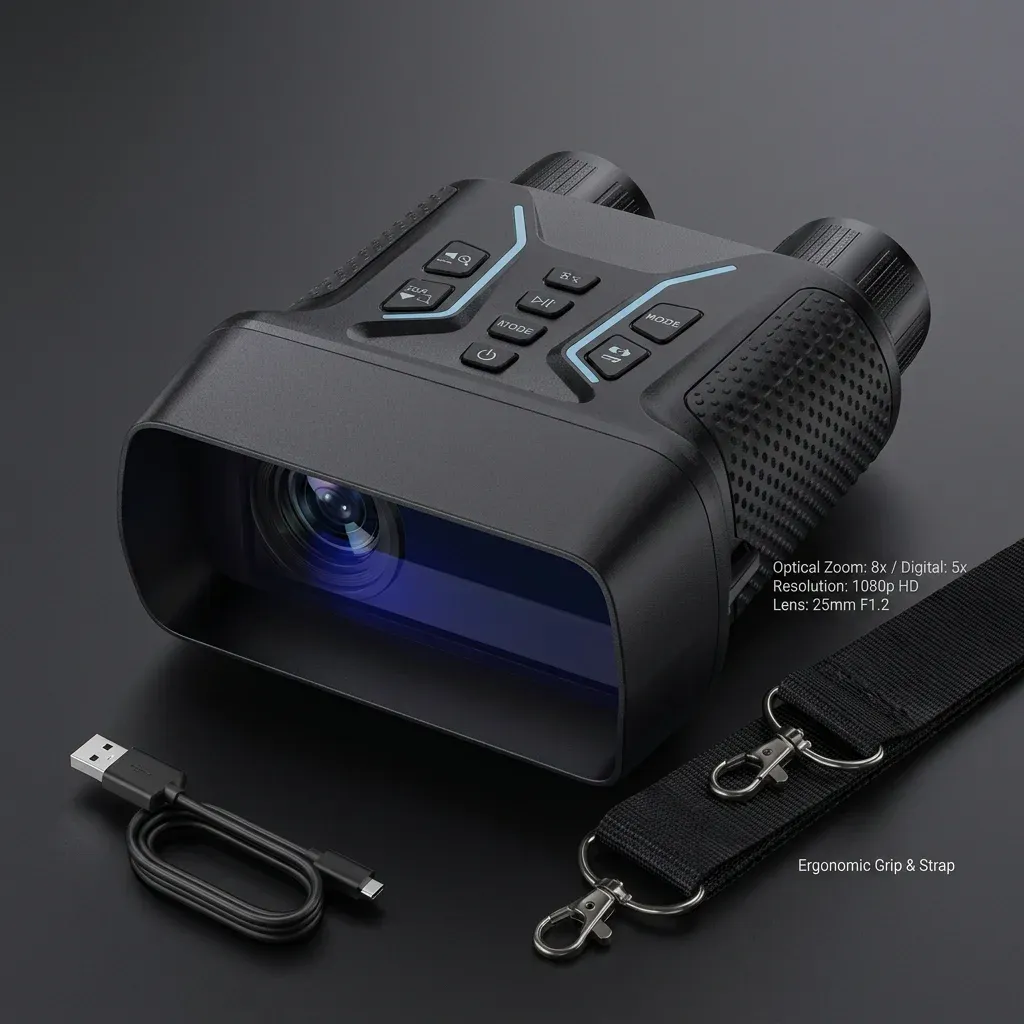
TL;DR: A wildlife night vision camera is a specialised digital device that uses sensitive CMOS sensors and invisible infrared (IR) light to help you observe nocturnal animals in complete darkness. Based on our testing at NightVisio, the best models for UK conditions feature 4K recording, built-in viewing screens to minimise eye strain, and adjustable IR levels to ensure ethical observation without disturbing local wildlife.
Fundamentally, a wildlife night vision camera is a high-tech optical device designed to capture clear footage of animals in total darkness without relying on visible light. When the sun sets over the British countryside, an entirely different ecosystem springs to life. According to UK guidelines and research by the Mammal Society, well over half of all UK land mammals are nocturnal or crepuscular (active primarily at dawn and dusk). From the elusive pine martens of the Scottish Highlands to the urban red foxes patrolling London suburbs, the vast majority of British wildlife activity happens under the cover of darkness. For decades, observing this hidden world was the preserve of professional documentary makers and researchers. Today, however, the advent of the modern wildlife night vision camera has made ethical, high-definition nocturnal observation accessible to everyone.
Furthermore, whether you are a dedicated birdwatcher hoping to spot a roosting Tawny Owl, a conservationist monitoring local badger setts, or simply a nature enthusiast wanting to see what visits your garden after dark, investing in the right equipment is paramount. Consequently, this guide will explore the essential features of a wildlife night vision camera, how the technology performs in challenging UK weather conditions, and how to choose the right device for crystal-clear, after-dark viewing.
Key Takeaways
- Technology: Modern digital wildlife night vision cameras use highly sensitive CMOS sensors and infrared (IR) light, allowing you to see in complete darkness without startling animals.
- Essential Features: For the best experience, look for devices offering 4K video recording, built-in viewing screens, and reliable rechargeable power.
- Ethical Observation: Using an infrared wildlife night vision camera ensures you comply with the Wildlife and Countryside Act 1981 by observing nocturnal creatures without causing light pollution or distress.
- Usability: Devices designed with screens and ergonomic controls are highly recommended for UK adults, effectively eliminating the eye strain associated with traditional optical viewfinders.
How does a wildlife night vision camera work?
To fully appreciate nocturnal wildlife, you must first understand the technology that penetrates the dark. Traditional optical night vision relied on analogue intensifier tubes to multiply ambient moonlight. However, these older units were fragile, easily damaged by bright light, and often provided a grainy, green-tinted image.
In contrast, today’s digital wildlife night vision cameras operate entirely differently. Based on our testing at NightVisio, they function much like high-end digital cameras but are equipped with highly sensitive CMOS (Complementary Metal-Oxide-Semiconductor) sensors specifically calibrated to process infrared (IR) light. Because human and animal eyes cannot detect infrared light, the device can confidently project an invisible beam into the darkness. Subsequently, the CMOS sensor reads this reflected IR light and converts it into a crisp, high-definition image on a digital screen.
"The shift from analogue tubes to digital CMOS sensors has revolutionised amateur wildlife observation, offering 4K resolution and the ability to record footage directly to an SD card—features that were unimaginable a decade ago."
If you are interested in the deeper technical specifications of these sensors and how they compare to older military-grade tech, our ultimate guide to digital night vision goggles in the UK provides a comprehensive breakdown of the technology.
What are the best features to look for in a wildlife night vision camera?
Not all night vision devices are created equal. When selecting a wildlife night vision camera for use in the UK, specific features are strictly required to combat our unique environmental challenges—namely, frequent dampness, unpredictable lighting, and dense woodland habitats. Based on NightVisio's expert assessments, here is what you need:
1. Do I need 4K resolution and recording capabilities?
When you spend hours waiting in the cold for a glimpse of a barn owl, you undoubtedly want to capture the moment perfectly. Therefore, a modern wildlife night vision camera should offer 4K video recording and high-megapixel photo capabilities. This allows you to review your footage the next day on a larger screen, share your discoveries with local wildlife trusts, or simply keep a personal digital diary of your local fauna. High resolution is particularly vital for species identification, allowing you to zoom in on specific markings without the image deteriorating into a pixelated blur.
2. Why are built-in screens better for eye comfort?
Squinting through dual eyepieces for extended periods can lead to severe eye fatigue, especially for adults who may wear prescription glasses. Fortunately, the latest generation of devices opts for a more ergonomic approach: a single, high-definition TFT screen housed within the binocular casing. This intelligent design allows you to view the landscape with both eyes open, maintaining your peripheral awareness and significantly reducing strain. For a deeper dive into why this design is superior for prolonged observation, read our guide on night vision binoculars with screen.
3. How much adjustable Infrared (IR) illumination is required?
A static IR beam is rarely sufficient for varied wildlife watching. For instance, if you are observing a hedgehog at the bottom of your garden, a highly powerful IR beam will 'wash out' the image, making the animal look like a glowing white orb. Conversely, if you are scanning a sprawling Scottish moorland for red deer, a weak beam simply won't reach your target. Therefore, look for a wildlife night vision camera that offers multiple levels of IR adjustment (typically 7 levels). This flexibility allows you to scale the invisible light output perfectly based on your distance from the subject.
4. What are the best rechargeable power solutions?
Traditional night vision gear often relied on a constant supply of disposable AA batteries, which famously perform poorly in the cold British winter and are environmentally damaging. In response, modern devices feature high-capacity, built-in rechargeable lithium batteries. These can be easily topped up via a USB cable connected to a mains adapter, a car charger, or even a portable power bank while you are out in the field. Consequently, this ensures you never miss a rare sighting due to a dead battery.
How can I watch wildlife ethically at night in the UK?
The UK has strict legislation protecting native species, most notably the Wildlife and Countryside Act 1981. According to UK conservation guidelines, disturbing protected species—such as nesting birds of prey, bats, or badgers—is not only unethical but constitutes a criminal offence. This is exactly where a digital wildlife night vision camera becomes an invaluable conservation tool.
Standard torches or flash photography can cause immense stress to nocturnal animals. Sudden bursts of white light can temporarily blind them, disrupting their natural hunting patterns, disorientating them, and leaving them vulnerable to predators. However, because an 850nm infrared illuminator emits a wavelength that is virtually invisible to the naked eye, you can observe and record these animals behaving entirely naturally without causing any disturbance whatsoever.
When setting up your observation point, our team recommends you always remember to:
- Keep your distance: Use the digital zoom features of your wildlife night vision camera to observe from afar, ensuring you never encroach on their natural habitat or cause unnecessary distress.
Ready to try NightVisio?
Shop Now — £62.55